
Fire-Retardant Fabric vs. Fire-Resistant Fabric
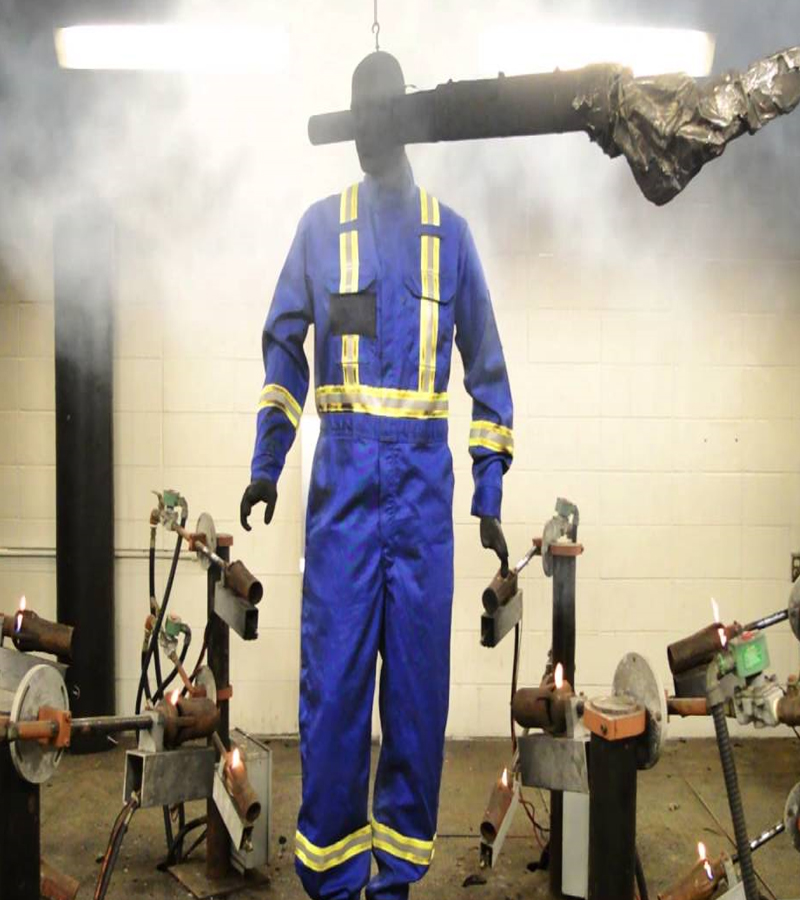
Fire-retardant fabrics and fire-resistant fabrics are two different classes of material. Each class has unique attributes that make them advantageous for intense heat or open flame applications, but they use different mechanisms to do so.
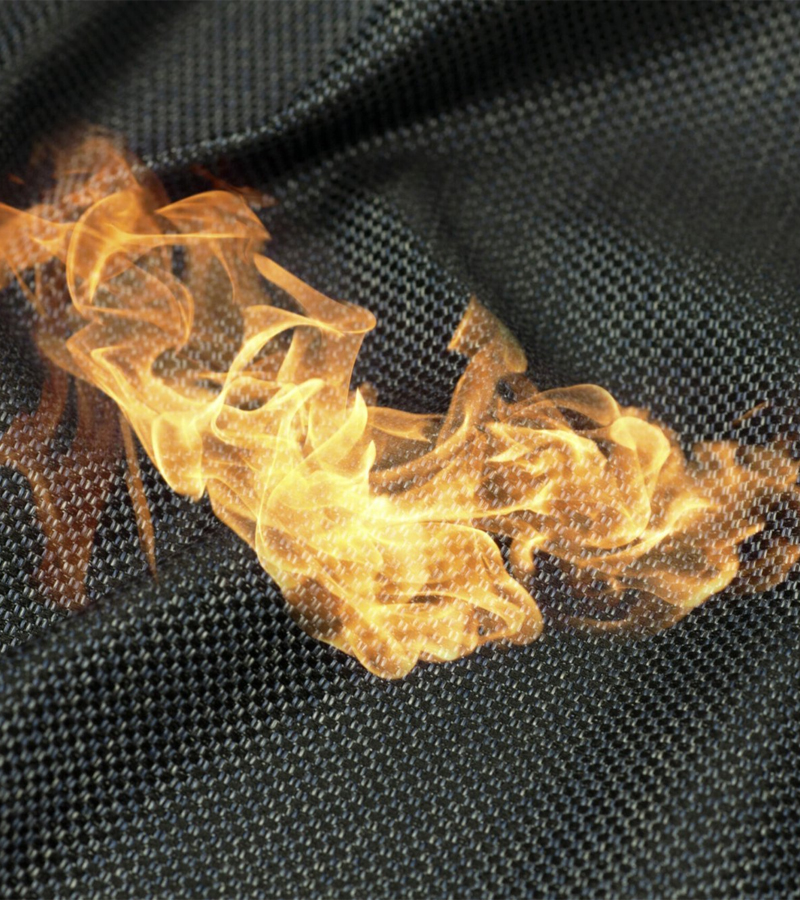
- Fire-retardant fabrics, also known as chemically flame retardant fabrics, are standard fabrics that have been treated with a special flame- retardant coating. They will burn, but at a much slower rate than untreated standard fabrics. Flame retardancy is classified into three groups: flame retardant (FR), inherently flame retardant (IFR), and durably flame retardant (DFR).
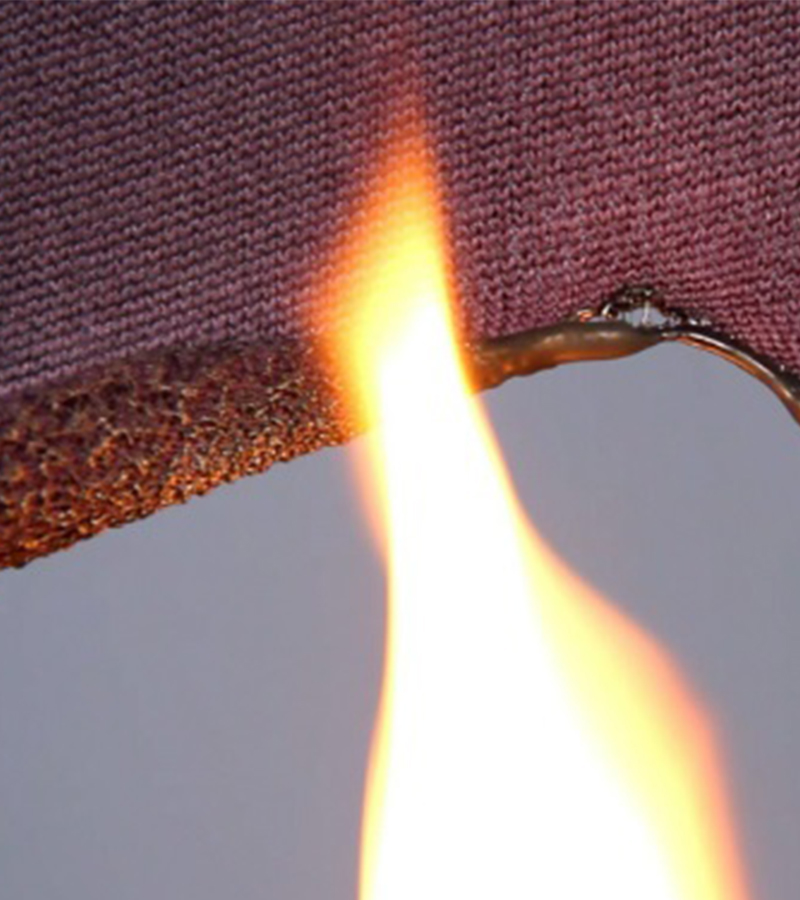
- Flame-resistant fabrics are made up of typically synthetic fibers that resist ignition under prolonged exposure to flame or heat. Because of this construction, they are also sometimes referred to as inherently flame- retardant fabrics. Instead of burning, these fabrics will eventually begin to melt. The degree of inherently flame-resistant fibers within a flame- resistant fabric can vary widely from a few percent of the fibers to a full construction, depending on the manufacturer.
Common Applications
Fire-resistant and fire-retardant fabrics are necessary in a wide variety of applications. Many industries regulate the types of fabrics allowed in various settings to ensure that facilities meet minimum application safety standards. Some of the most popular applications for these fabrics include the following:
- Aeronautical, automotive, and marine applications, which require fire- retardant or fire-resistant fabrics for seating, cargo nets, and interior finishes
- Hospital uses, such as material for drapes, sheets, and mattress covers
- Military applications, such as protective military clothing
- Occupational safety, with applications primarily focused on worker safety and PPE in industrial and outdoor settings
- Recreation, especially in camping, fishing, golfing, hiking, hunting, and shooting